
 November 3, 2026
HACCP and ISO 22000: Practical Food Safety Management
Learn how process mapping, hazard analysis, prerequisite programs, traceability, and verification records help food businesses manage safety across daily operations.
Build food safety controls around the actual process
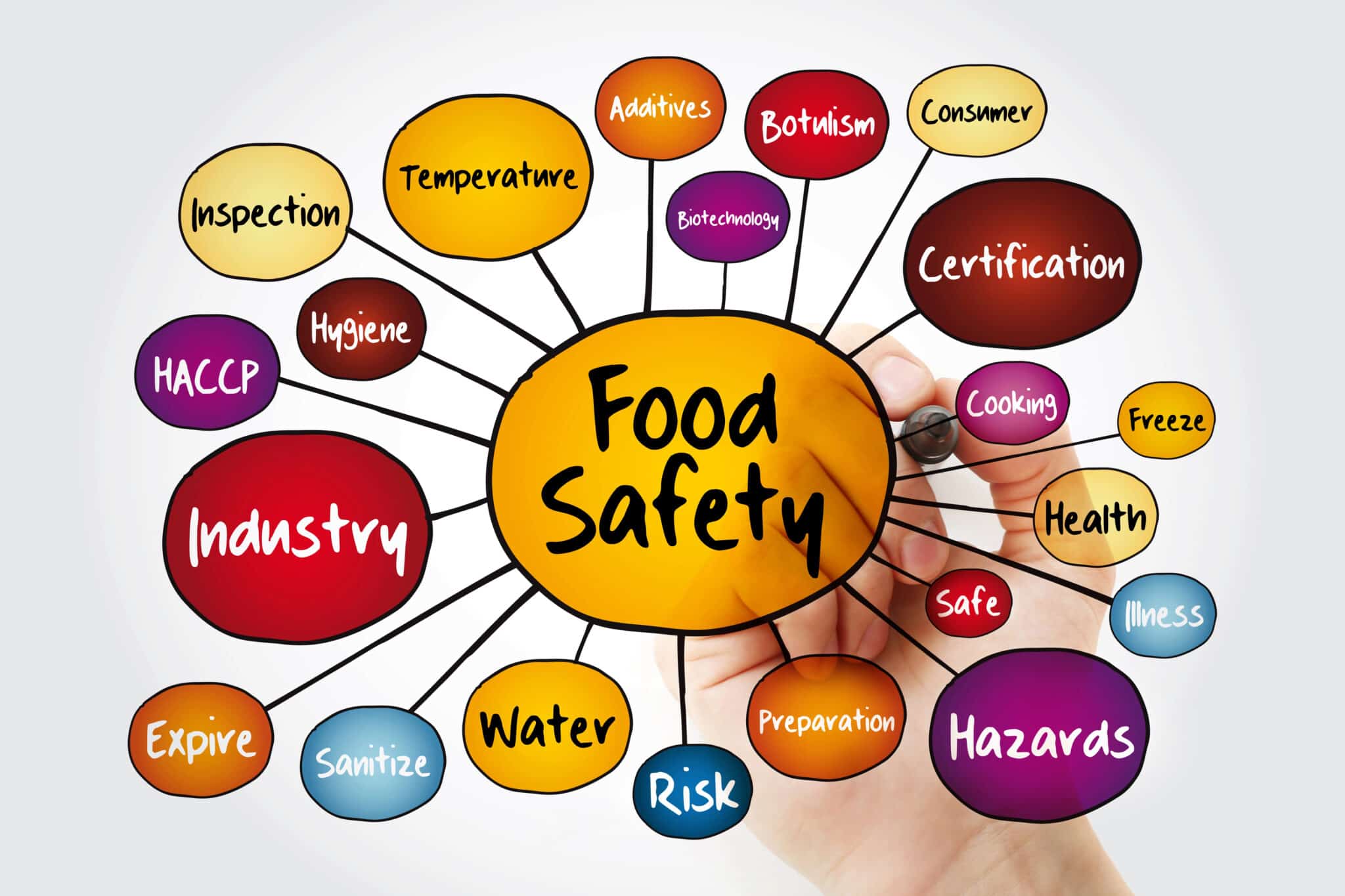
Food safety management begins with understanding products, ingredients, intended use, facilities and process steps. HACCP provides a systematic way to identify food safety hazards and establish controls. ISO 22000 offers a broader management-system framework for organizations across the food chain.
Develop a plan the team can maintain
Start with appropriate prerequisite programs and an accurate process flow. A competent food safety team should assess hazards, determine suitable control measures and document how critical monitoring and corrective actions are performed where applicable.
- Keep product and process information current.
- Establish traceability and withdrawal arrangements.
- Train responsible staff on monitoring and escalation.
- Verify controls and review records at defined intervals.
Review when conditions change
New ingredients, equipment, suppliers or process changes may affect hazard analysis and controls. Revisit the plan when changes occur, and use verification findings to improve it. Food safety obligations depend on the products and locations involved; seek competent technical guidance and confirm applicable regulatory requirements. Consulting supports implementation but does not replace regulatory approval or guarantee certification.